


Celebrating Excellence: The Significance of Honorary Doctorate Awards
August 30, 2026 | by NIMTT Blog Writer
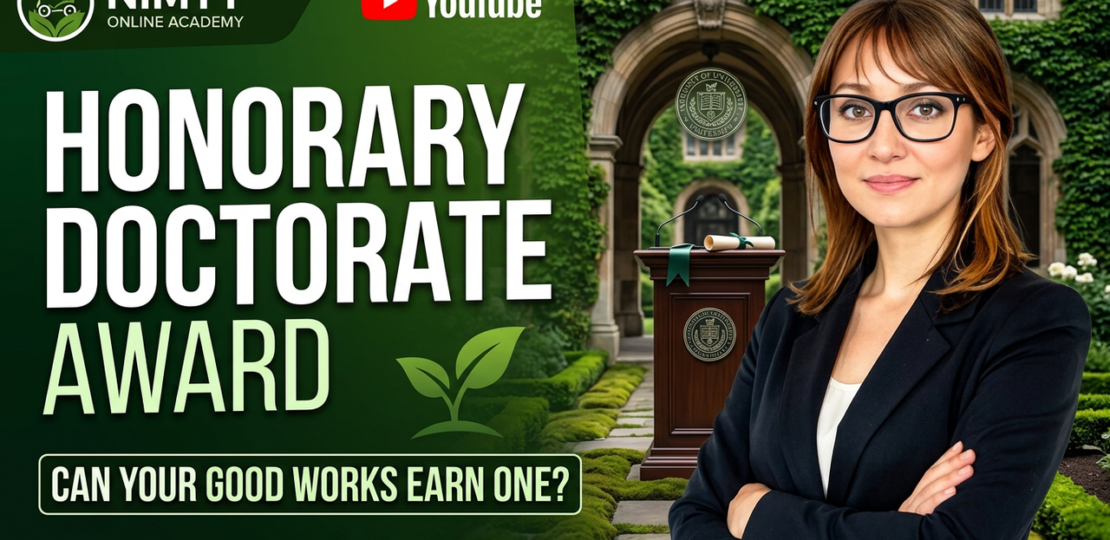
Understanding Honorary Doctorate Awards
Honorary doctorate awards are distinctions conferred by universities to individuals who have made significant contributions to society, rather than having completed the typical academic requirements associated with traditional doctoral degrees. These awards serve a dual purpose: they recognize outstanding achievements in various fields and promote the values of academic institutions by aligning them with individuals who exemplify excellence in their respective disciplines.
Unlike traditional doctorates, which require extensive research, coursework, and examination, honorary doctorates are awarded solely based on an individual’s accomplishments and contributions. They are not intended to confer the right to practice a profession or hold a title; instead, they emphasize the embodiment of the ideals of scholarship and service. Universities typically present these awards during significant ceremonies, embedding the honor within a rich academic tradition that underscores the values of knowledge, service, and community.
Criteria for Receiving an Honorary Doctorate
The awarding of honorary doctorates serves to recognize individuals who have made significant contributions to society, academia, or specific fields. Various criteria are considered by institutions when bestowing such honors, ensuring that the recipients exemplify the values and mission that the institution upholds.
One of the primary criteria for receiving an honorary doctorate is the recipient’s impact on their field of expertise. This impact can manifest through groundbreaking research, contributions to knowledge, or innovations that have advanced the discipline. Such achievements not only foster growth in the specific area of study but also benefit the wider community, reflecting the profound influence of committed individuals.

In conclusion, the criteria for awarding honorary doctorates encompass a broad range of considerations, from professional excellence and community service to alignment with institutional values. Such honors mark a celebration of exceptional contributions that inspire current and future generations.
Notable Recipients and Their Contributions
Honorary doctorate awards are conferred upon individuals who have made significant contributions to society in various fields. These accolades not only recognize their achievements but also inspire future generations to pursue excellence. Among the notable recipients are influential figures from arts, sciences, and humanitarian efforts, each of whom has left an indelible mark on their respective domains.
The Impact of Honorary Doctorates on Society
Honorary doctorates play a crucial role in shaping societal values and inspiring individuals. These prestigious awards, bestowed by universities and institutions, recognize the exceptional contributions made by individuals in various fields such as arts, sciences, humanitarian efforts, and public service. One significant impact of awarding honorary doctorates is their ability to inspire others. When a renowned figure receives such an accolade, it highlights the importance of dedication, hard work, and commitment to one’s field. Aspiring professionals and students often look up to these role models, fostering a sense of ambition and encouraging them to pursue excellence in their respective domains.
Furthermore, these recognitions reinforce the significance of social contributions in striving for a better world. By celebrating individuals who have made significant impacts beyond the academic realm, honorary doctorates highlight the importance of service, philanthropy, and activism. This reinforces a cultural understanding that education and knowledge are not just confined to traditional settings; they are meant to be shared and applied for the greater good.
RELATED POSTS
View all



How Artificial Intelligence is Reshaping College for Students and Professors
January 23, 2026 | by NIMTT Blog Writer

Pursuing Your Dreams: B.Ed. Course Through Correspondence
August 10, 2025 | by NIMTT Blog Writer